Your eye exam is about a lot more than your prescription.
A comprehensive eye exam at South Shore Eye Associates checks for glaucoma, macular degeneration, diabetic eye disease, and signs of conditions you may not even know you have — in addition to giving you an accurate, up-to-date prescription.
More than "which is clearer — one or two?"
A thorough eye exam isn't just about finding the right lens power. It's a window into your overall health. Our optometrists screen for conditions that can silently steal your vision — catching them early when treatment is most effective.
Did you know? Many serious eye conditions — including glaucoma and diabetic retinopathy — develop without noticeable symptoms. By the time you notice vision changes, significant damage may have already occurred. Annual exams are the only reliable way to catch them early.
Refractive Error & Prescription
Nearsightedness, farsightedness, astigmatism, and presbyopia — checked accurately so your glasses or contacts actually correct your vision.
Glaucoma Screening
The "silent thief of sight." Glaucoma causes no pain and no early symptoms — but our exam checks intraocular pressure and optic nerve health to catch it early.
Macular Degeneration
The leading cause of vision loss in adults over 50. We check the macula for early drusen deposits and changes that signal AMD before central vision is affected.
Diabetic Eye Disease
Diabetic retinopathy is the leading cause of blindness in working-age adults. We examine the retinal blood vessels for leakage and damage — critical for anyone with diabetes or prediabetes.
Cataracts
The clouding of the natural lens that affects most people over 60. We assess the degree of cataract development and when referral for surgical evaluation is appropriate.
Systemic Health Indicators
The eyes can reveal signs of hypertension, high cholesterol, thyroid disease, and other systemic conditions through changes in retinal blood vessels and other structures.
No surprises. Here's what happens at your exam.
A comprehensive eye exam at South Shore Eye takes 45–60 minutes. Here's what each step involves — so you arrive prepared, not anxious.
Health & Vision History
We review your current vision concerns, medications, family history of eye disease, and any changes since your last visit. Because we've often seen you before, this is a conversation, not a questionnaire from scratch.
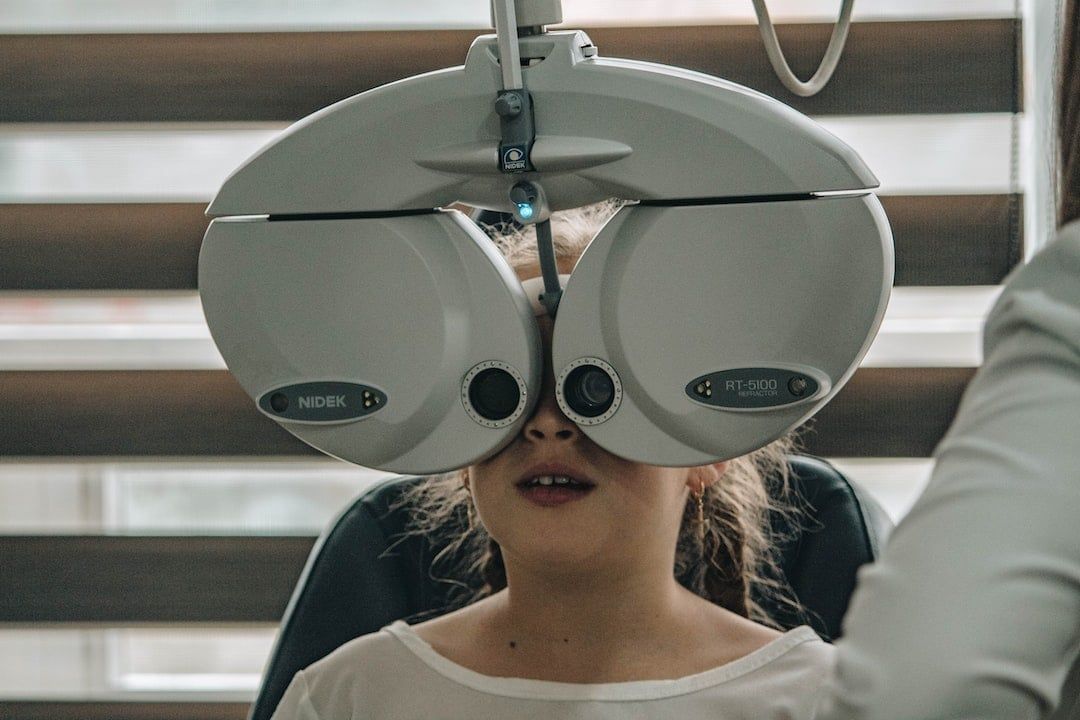
Visual Acuity & Refraction
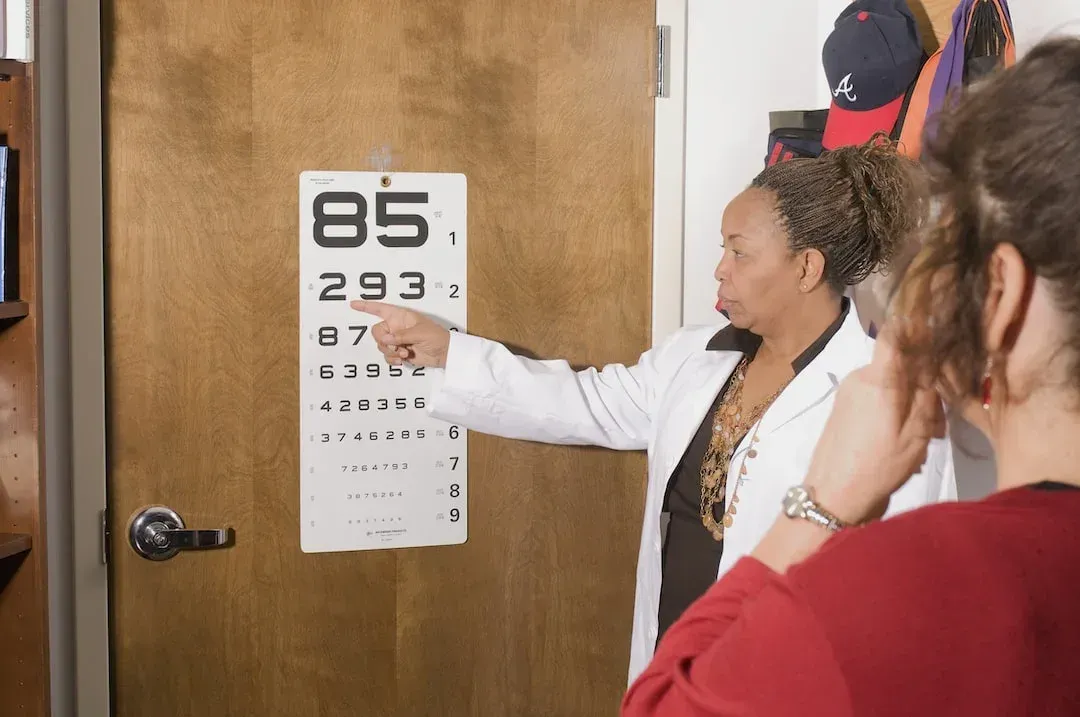
The classic eye chart plus refined lens testing to determine your exact prescription for glasses and/or contact lenses. We take the time to get it right.
Eye Health Evaluation
We examine the front and back of your eye — cornea, lens, retina, optic nerve, and blood vessels — using a slit lamp and ophthalmoscope. This is where we screen for glaucoma, AMD, cataracts, and systemic conditions.
Results & Your Questions
We walk you through what we found, what it means, and what we recommend — in plain language. You leave with your prescription and a clear picture of your eye health, not just a printout.
If you have diabetes, your eyes need monitoring every year.
Diabetic retinopathy affects over 7 million Americans and is the leading cause of blindness in adults ages 20–74. The damage happens slowly — and silently. You can lose significant vision before you notice anything.
At South Shore Eye, we perform thorough diabetic eye exams and document findings year over year. Our team's continuity means we're watching for subtle changes — not starting fresh every visit like a chain clinic would.
Schedule a Diabetic Eye Exam →What we check in a diabetic eye exam:
Leakage, swelling (macular edema), or new abnormal vessel growth that signals retinopathy progression
Fluid accumulation in the center of your vision — a leading cause of vision loss in diabetic patients
Diabetics have elevated glaucoma risk — we monitor IOP and optic nerve health alongside retinal screening
We track changes in your retinal photos over time — the most sensitive way to detect progression early
Eye exams near me — for every age and stage.
We see the whole family at South Shore Eye. Here's who benefits from regular comprehensive exams.
Infants & Toddlers
First exam recommended 6–12 months. Catching alignment issues and vision problems early prevents developmental delays.
Children & Teens
Annual exams during school years. Myopia (nearsightedness) progresses quickly in children — early detection and management matter.
Adults
Annual exams for early detection of glaucoma, macular degeneration, and diabetic eye disease — all of which develop silently.
Seniors (60+)
Annual exams recommended. Cataracts, AMD, and glaucoma increase sharply with age. Regular monitoring preserves independence and quality of life.
Ready to schedule your eye exam?
Join over 400,000 patients who've trusted South Shore Eye since 1981. The same team is ready to see you — and your whole family.
"These folks are the real deal. Small practice, giant heart. They caught an early eye health concern I had no idea about. I'm so glad I chose a local optometrist who actually looks carefully instead of rushing through."
Do you accept walk-in eye exams near me?
Can I get an eye exam and glasses at the same visit?
How long does a comprehensive eye exam take?
Do you offer affordable eye exams near me?
Can I get a contact lens eye exam here?
How often should I get an eye exam?
Do you do diabetic eye exams near me?
What should I bring to my eye exam?
After your exam, we've got you covered.
From glasses to contacts to children's eye care — everything under one roof in North Easton.