

A contact lens prescription isn't the same as a glasses prescription.
Many people assume their glasses prescription will work directly for contacts. It won't. Contact lens prescriptions include additional measurements — base curve, diameter, and lens brand compatibility — that determine how the lens actually sits on your eye.
An ill-fitting lens doesn't just feel uncomfortable. It can reduce oxygen flow to the cornea, cause chronic redness, and lead to lens intolerance over time. Getting the fit right from the start — with a team that takes the time — protects your eyes long-term.
What's included in your contact lens exam:
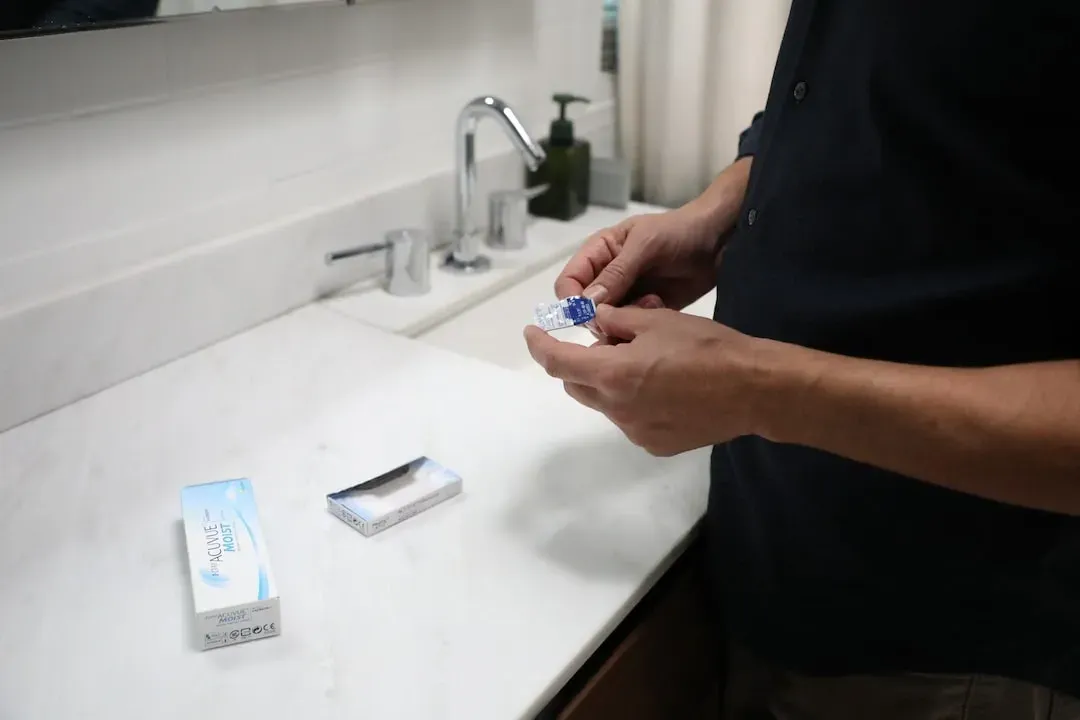
The right lens for your eyes — not just your prescription.
We fit every major lens type and work with you to find what actually works for your daily life, comfort level, and vision needs.
Not sure which type is right for you? We'll figure it out together during your exam.
Schedule Your Fitting →No surprises. Here's exactly what happens.
First-time wearers often feel nervous. Knowing what to expect makes a difference.
Comprehensive Eye Health Exam
We start with a full eye health exam — checking not just your prescription but also the health of your cornea, tear film, and lids. Contact lens candidates with dry eyes or corneal issues need to know before we fit lenses.
Corneal Measurements & Lens Selection
We measure your corneal curvature and diameter, then select trial lenses based on your prescription, eye shape, lifestyle, and any specific concerns (sports, screen time, dry environments). You're involved in this conversation — we don't just hand you a box.
Trial Lens Insertion (New Wearers)
If you're new to contacts, we walk you through insertion and removal — step by step, with as much time as you need. We don't send you home until you're comfortable. This usually takes 20–30 minutes, and it's worth every minute.
Take Home Trial Lenses
You leave with trial lenses to wear in real life — at work, during exercise, in front of screens. We want to know how they actually feel, not just how they feel in the office.
Follow-Up & Final Prescription
You return for a brief follow-up. We check the fit, ask about comfort, and finalize your prescription. Only then do we write the contact lens prescription — because we know it's right.
Nervous about putting something in your eye? That's normal.
Most first-time wearers come in skeptical they'll ever get the hang of it. Nearly all of them leave wearing their trial lenses. It takes patience and the right guidance — which is exactly why we take as long as you need.
We're not moving on to the next patient while you're still struggling. You're done when you're comfortable — and that's a promise.
"I'd been told for years I couldn't wear contacts because of my astigmatism. South Shore Eye fitted me on the first try. I've been wearing them for three years now with zero issues."— Patient, Easton
"I was so nervous as a first-timer. The staff walked me through everything and didn't rush me at all. I put them in by myself by the end of the appointment. Huge confidence boost."— First-time wearer, North Easton
The right contacts start with the right exam.
Serving North Easton and the South Shore since 1981. Same team. Real care. Let's find the lens that actually works for you.
Insurance accepted · Financing available · North Easton, MA
Good habits protect your eyes — and your investment.
The most common contact lens problems are caused by one thing: not following the rules. Here's what you need to know.
Never sleep in daily lenses
Unless your lenses are specifically approved for overnight wear (extended wear modality), sleeping in contacts significantly increases your risk of corneal infection. Remove them every night — no exceptions.
Never use tap water with contacts
Tap water contains microorganisms that can cause Acanthamoeba keratitis — a rare but serious eye infection. Always use contact lens solution when cleaning and storing lenses. Never rinse your case with tap water either.
Replace lenses on schedule
Wearing lenses past their replacement date means wearing protein deposits, bacteria, and degraded material on your eye. A 30-day lens is a 30-day lens — even if it still feels fine on day 45.
Remove before swimming
Pools, hot tubs, lakes, and oceans all carry microbial risks that soft lenses can trap against your eye. Remove contacts before any water activity. Prescription swim goggles or daily disposable options can help.
Red eye or pain means take them out
Redness, pain, blurred vision, or unusual discharge while wearing contacts is your eye telling you something's wrong. Remove the lenses immediately and call us. Don't wait and see if it gets better.
Annual exams keep your prescription current
A contact lens prescription expires — typically after one year. That's not a bureaucratic rule. It's because eyes change, and wearing an outdated prescription is wearing the wrong lens. Annual exams also catch early eye health changes that matter more as you age.
Questions about contact lenses?
Here's what patients ask us most. Don't see yours? Call us directly.
Have a question we didn't cover?
📞 Call Us DirectlyWe do more than contact lenses.
South Shore Eye Associates is your full-service vision care home.
Ready to find the lens that actually works for you?
44 years. 400,000+ patients. The same team that's been fitting contacts on the South Shore since 1981 is ready to help you see clearly and comfortably.